


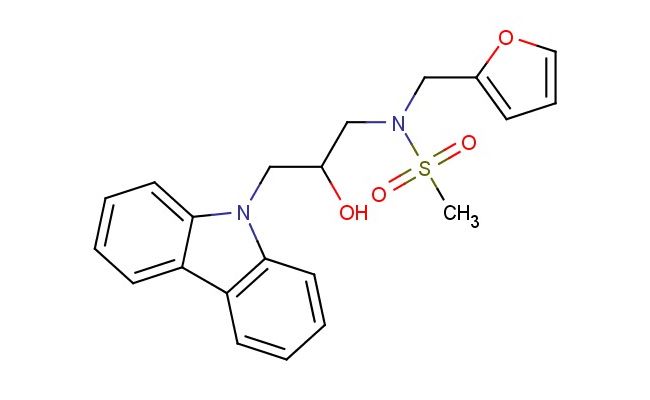


KL001
$200.00
CAS No.: 309928-48-1
Catalog No.: 193726
Purity: 95%
MF: C21H22N2O4S
MW: 398.484
Storage: 2-8 degree Celsius
SMILES: C1=CC=CC=2C3=CC=CC=C3N(C12)CC(CN(S(=O)(=O)C)CC=1OC=CC1)O
Catalog No.: 193726
Purity: 95%
MF: C21H22N2O4S
MW: 398.484
Storage: 2-8 degree Celsius
SMILES: C1=CC=CC=2C3=CC=CC=C3N(C12)CC(CN(S(=O)(=O)C)CC=1OC=CC1)O
For R&D use only. Not for human or veterinary use.
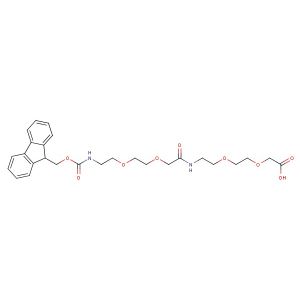
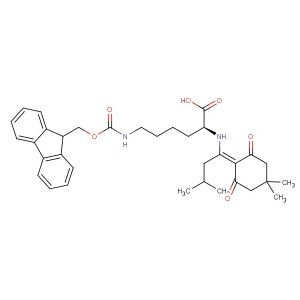
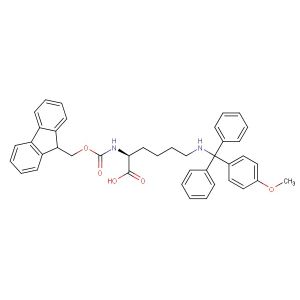
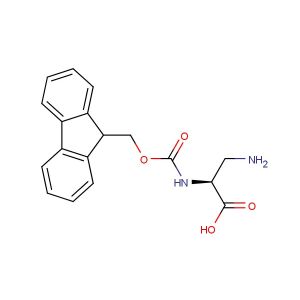
KL001; N-(3-(9H-carbazol-9-yl)-2-hydroxypropyl)-N-(furan-2-ylmethyl)methanesulfonamide; CAS No.: 309928-48-1; KL001. PROPERTIES: KL001 is a crystalline solid with the molecular formula C19H16N2O3S. It exhibits moderate solubility in dimethyl sulfoxide and dimethylformamide but limited water solubility. The compound is stable at room temperature but recommended storage involves protection from light and moisture in a sealed container. Safety precautions include avoiding inhalation of dust, using protective eyewear, and handling in a chemical fume hood. With a molecular weight of approximately 368.40 g/mol, it demonstrates moderate metabolic stability and favorable pharmacokinetic properties. The compound contains sulfur and nitrogen heteroatoms contributing to its binding affinity and chemical stability. Its logP value around 2.8 indicates a balance between solubility and membrane permeability. APPLICATIONS: KL001 serves as a selective inhibitor of the cytochrome P450 enzyme family, particularly CYP3A4, investigated for use in drug interaction studies and as a tool compound in pharmacology research. In preclinical research, it is used to study CYP3A4's role in drug metabolism and to develop strategies for managing drug-drug interactions. The compound is employed in combination studies with other metabolic enzymes to enhance understanding of drug metabolism pathways. Additionally, it functions as a research tool in drug design to investigate structure-activity relationships of cytochrome P450 inhibitors and in clinical pharmacology to evaluate the impact of CYP3A4 inhibition on drug disposition. According to "Cytochrome P450 Inhibitors: Applications in Drug Development and Clinical Practice," KL001 provides a valuable agent for studying CYP3A4-mediated metabolism and its implications in therapeutic contexts.
Reviews
Write Your Own Review