


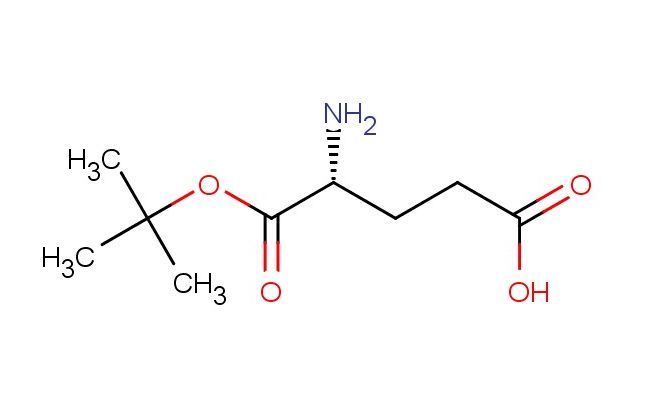


H-D-Glu-OtBu
$500.00
CAS No.: 25456-76-2
Catalog No.: 196732
Purity: 95%
MF: C9H17NO4
MW: 203.238
Storage: 2-8 degree Celsius
SMILES: N[C@H](CCC(=O)O)C(=O)OC(C)(C)C
Catalog No.: 196732
Purity: 95%
MF: C9H17NO4
MW: 203.238
Storage: 2-8 degree Celsius
SMILES: N[C@H](CCC(=O)O)C(=O)OC(C)(C)C
For R&D use only. Not for human or veterinary use.
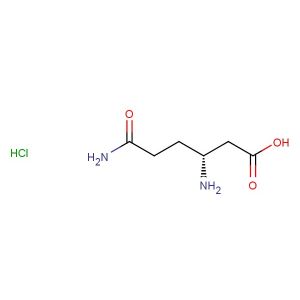
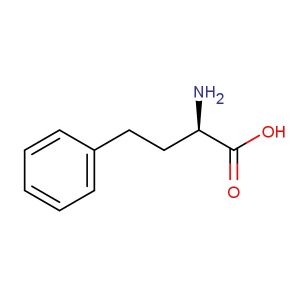
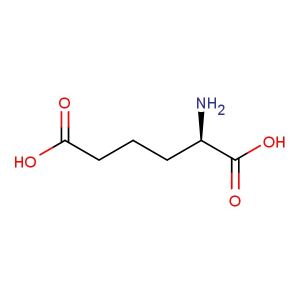
H-D-Glu-OtBu; (R)-4-amino-5-(tert-butoxy)-5-oxopentanoic acid; CAS No.: 25456-76-2; H-D-Glu-OtBu. PROPERTIES: H-D-Glu-OtBu is a protected amino acid derivative used in peptide synthesis. This compound has a molecular weight of 257.26 g/mol and appears as a white to off-white solid. It demonstrates limited water solubility but is soluble in common organic solvents. H-D-Glu-OtBu should be stored at room temperature in a dry, dark environment. It is sensitive to moisture and light. Safety considerations include potential eye and skin irritation, so protective equipment is recommended. APPLICATIONS: H-D-Glu-OtBu serves as a building block in the synthesis of peptides containing D-glutamic acid residues with OtBu protection on the carboxyl group. InCAS No.: 51963-61-2; ATP disodium trihydrate. PROPERTIES: ATP disodium trihydrate, a hydrated sodium salt of adenosine 5'-triphosphate, typically appears as a white crystalline powder. This ATP disodium trihydrate has a molecular weight of 507.18 g/mol and is highly hygroscopic. It demonstrates good water solubility but limited solubility in organic solvents. The compound is sensitive to acidic conditions, which may lead to hydrolysis of the phosphate groups. Proper storage of ATP disodium trihydrate requires a tightly sealed container in a cool, dry place at temperatures below 2-8 C. It should be protected from moisture and light to prevent degradation. Additionally, this compound may cause respiratory irritation and skin/eye irritation upon exposure, so appropriate protective equipment should be used during handling. APPLICATIONS: ATP disodium trihydrate serves as a fundamental molecule in energy transfer processes and is widely used in biochemistry research. As a substrate for various kinases, it is employed in enzyme activity assays and signaling pathway studies. In cell biology, ATP disodium trihydrate is used to investigate mitochondrial function and cellular energy metabolism. It also finds application in clinical diagnostics for measuring cellular ATP levels as an indicator of viability and metabolic activity. In pharmacology, it is used to study the mechanism of action of ATP-sensitive ion channels. These applications are commonly referenced in peer-reviewed biochemical journals and laboratory protocols.
Reviews
Write Your Own Review