


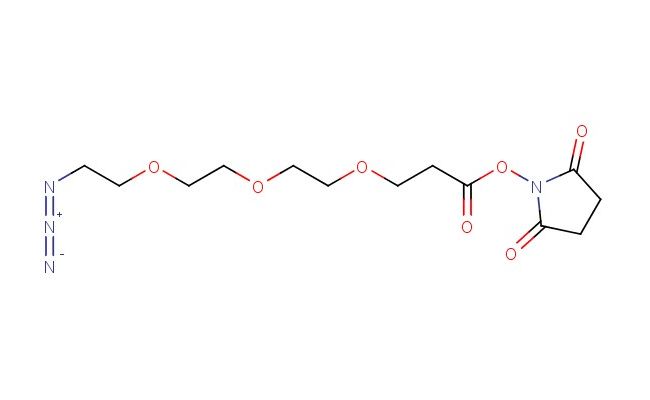


N3-PEG3-C2-NHS ester
$200.00
CAS No.: 1245718-89-1
Catalog No.: 198470
Purity: 95%
MF: C13H20N4O7
MW: 344.324
Storage: 2-8 degree Celsius
SMILES: N(=[N+]=[N-])CCOCCOCCOCCC(=O)ON1C(CCC1=O)=O
Catalog No.: 198470
Purity: 95%
MF: C13H20N4O7
MW: 344.324
Storage: 2-8 degree Celsius
SMILES: N(=[N+]=[N-])CCOCCOCCOCCC(=O)ON1C(CCC1=O)=O
For R&D use only. Not for human or veterinary use.
![3-[6-(azidomethyl)-1-oxo-isoindolin-2-yl]piperidine-2,6-dione](https://www.chemshuttle.com/media/catalog/product/cache/eda3e020a548044183bce7a8a96486f8/y/q/yqf0140_4.jpg)
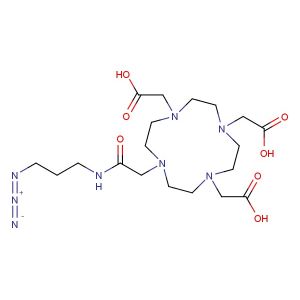
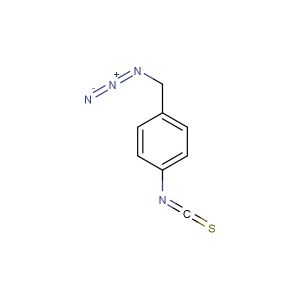
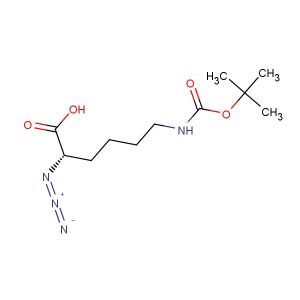
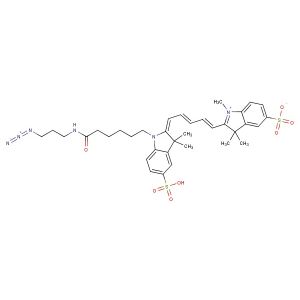
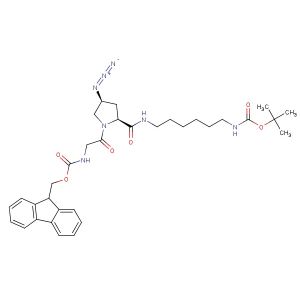
CAS No.: 1245718-89-1; N3-PEG3-C2-NHS ester. PROPERTIES: N3-PEG3-C2-NHS ester is an azide-containing PEGylation reagent with molecular formula C15H25N4O7 and molecular weight 399.37 g/mol. It typically exists as a white powder with good solubility in dimethylformamide and dimethyl sulfoxide. The compound is sensitive to moisture and should be stored at -20 C in a tightly sealed container under inert atmosphere. Safety considerations include potential for causing eye irritation, requiring safety goggles during handling. APPLICATIONS: In bioconjugation chemistry, N3-PEG3-C2-NHS ester serves as a PEGylation agent that introduces an azide group to biomolecules. The NHS ester reacts with primary amines on proteins, antibodies, or peptides, while the azide group enables subsequent click chemistry reactions with alkynyl-containing molecules. This allows for site-specific modification of biomolecules with PEG chains to improve solubility, reduce immunogenicity, and extend half-life. In pharmaceutical research, the compound is used to develop PEGylated therapeutics with enhanced pharmacokinetic properties. Additionally, the azide-PEG group enables multistep bioconjugation strategies where initial PEGylation is followed by orthogonal click reactions to attach additional functional groups or targeting moieties. In materials science, the reagent is used to modify surfaces with PEG and azide groups for creating bioactive materials or hydrogels. The PEGylation improves material biocompatibility, while the azide group allows further functionalization through copper-catalyzed or strain-promoted click chemistry. In chemical biology, the compound facilitates study of protein-protein interactions by attaching PEG tags that can be crosslinked or detected through click chemistry approaches. (Bioconjugation chemistry literature and PEGylation protocols)
Reviews
Write Your Own Review