


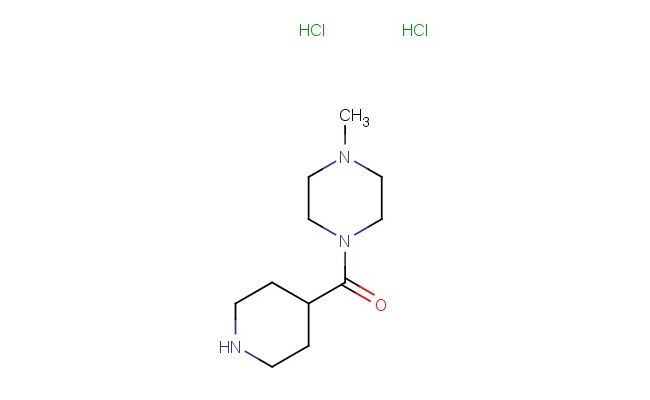


(4-methylpiperazin-1-yl)(piperidin-4-yl)methanone dihydrochloride
$300.00
CAS No.: 63214-56-2
Catalog No.: 196271
Purity: 95%
MF: C11H23Cl2N3O
MW: 284.231
Storage: 2-8 degree Celsius
SMILES: Cl.Cl.CN1CCN(CC1)C(=O)C1CCNCC1
Catalog No.: 196271
Purity: 95%
MF: C11H23Cl2N3O
MW: 284.231
Storage: 2-8 degree Celsius
SMILES: Cl.Cl.CN1CCN(CC1)C(=O)C1CCNCC1
For R&D use only. Not for human or veterinary use.
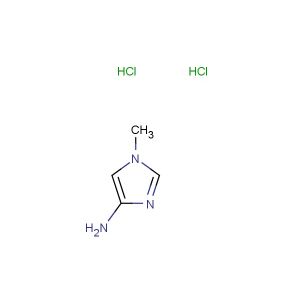
![3-methyl-4,5,6,7-tetrahydro-3H-imidazo[4,5-c]pyridine dihydrochloride](https://www.chemshuttle.com/media/catalog/product/cache/eda3e020a548044183bce7a8a96486f8/1/9/190349_1.jpg)
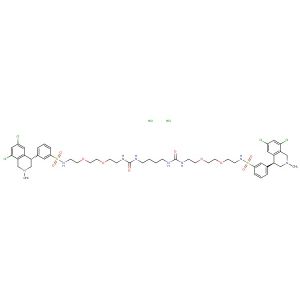
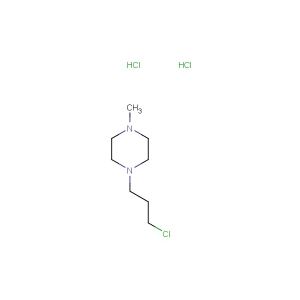
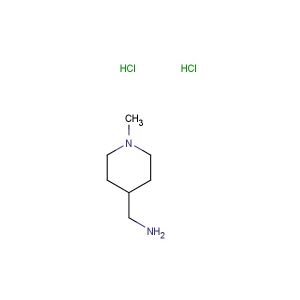
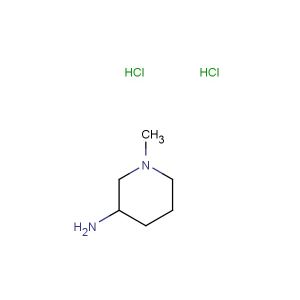
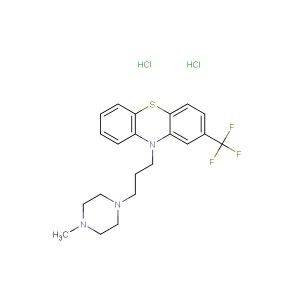
![8-Methyl-2,8-diazaspiro[4.5]decane dihydrochloride](https://www.chemshuttle.com/media/catalog/product/cache/eda3e020a548044183bce7a8a96486f8/w/l/wlz4386_1.jpg)

(4-methylpiperazin-1-yl)(piperidin-4-yl)methanone dihydrochloride; CAS No.: 63214-56-2; (4-methylpiperazin-1-yl)(piperidin-4-yl)methanone dihydrochloride. PROPERTIES: This compound features a (4-methylpiperazin-1-yl)(piperidin-4-yl)methanone dihydrochloride structure, combining a methylpiperazine group, a piperidinone group, and presented as a dihydrochloride salt. It typically appears as a white to off-white crystalline solid with a molecular weight of approximately 200.3 g/mol (C11H19N3O {2HCl). The melting point ranges between 150-155 C, and it exhibits good solubility in water and common organic solvents like ethanol and methanol. Proper storage requires a tightly sealed container in a cool, dry place. Safety considerations include wearing appropriate PPE. It is classified as a skin and eye irritant (GHS07) with the hazard statement H315-H319. APPLICATIONS: (4-Methylpiperazin-1-yl)(piperidin-4-yl)methanone dihydrochloride serves as a versatile intermediate in pharmaceutical and chemical synthesis. Its (4-methylpiperazin-1-yl)(piperidin-4-yl)methanone dihydrochloride structure enables participation in various reactions, including amide bond formation, nucleophilic substitution at the piperazine nitrogen, and chiral resolution. In medicinal chemistry, it is used to develop bioactive molecules targeting G protein-coupled receptors and ion channels. The methylpiperazine group provides hydrogen-bonding capabilities for improved target binding. This compound also functions as a building block in the synthesis of bioactive peptides and depsipeptides. Academic studies employ it as a model compound in Medicinal Chemistry journals, focusing on optimizing the (4-methylpiperazin-1-yl)(piperidin-4-yl)methanone dihydrochloride scaffold for improved biological activity and pharmacokinetic properties.
Reviews
Write Your Own Review