



5-bromonaphthalene-1-carboxylic acid
$165.00
CAS No.: 16726-67-3
Catalog No.: 194983
Purity: 95%
MF: C11H7BrO2
MW: 251.079
Storage: 2-8 degree Celsius
SMILES: BrC1=C2C=CC=C(C2=CC=C1)C(=O)O
Catalog No.: 194983
Purity: 95%
MF: C11H7BrO2
MW: 251.079
Storage: 2-8 degree Celsius
SMILES: BrC1=C2C=CC=C(C2=CC=C1)C(=O)O
For R&D use only. Not for human or veterinary use.
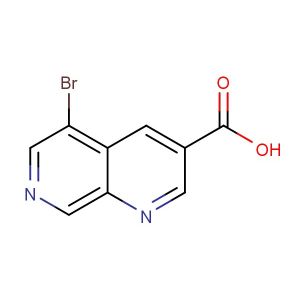
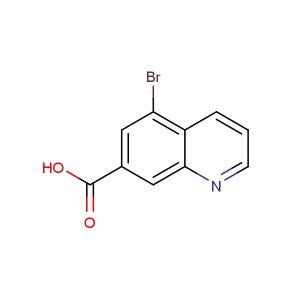
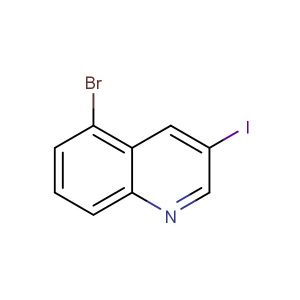
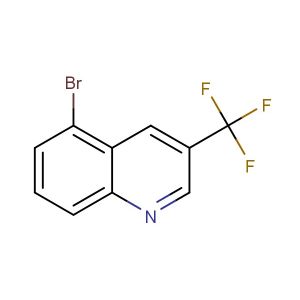
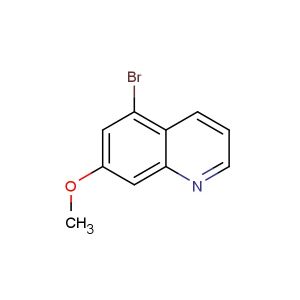
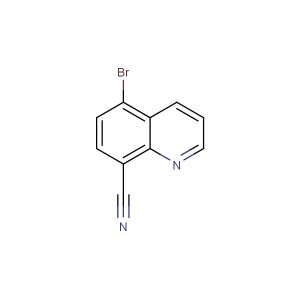
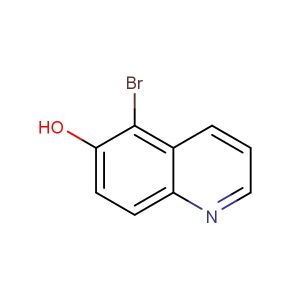
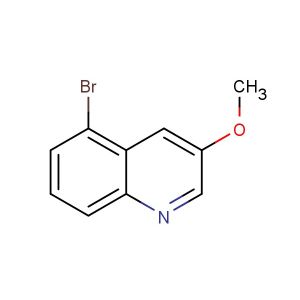
5-bromonaphthalene-1-carboxylic acid; CAS No.: 16726-67-3; 5-bromonaphthalene-1-carboxylic acid. PROPERTIES: 5-bromonaphthalene-1-carboxylic acid presents as colorless crystals with molecular formula C10H6BrNO2. It has a melting point of approximately 220-222 C and is sparingly soluble in water ( 0.5 mg/mL at 25 C) but dissolves in hot ethanol, methanol, and DMSO. The compound is light-sensitive and sublimes slowly at elevated temperatures. Recommended storage involves keeping in amber glass bottles with Teflon-lined caps at temperatures below 10 C. From a safety perspective, this compound exhibits moderate acute toxicity (LD50 ~320 mg/kg) and may cause severe skin burns and eye damage. It is classified as harmful if inhaled or swallowed. Handling requires use of chemical-resistant clothing, full-face respirators with organic vapor cartridges, and safety showers/eyewash stations. APPLICATIONS: In specialty chemical manufacturing, 5-bromonaphthalene-1-carboxylic acid serves as a building block for producing high-performance liquid crystal materials. The brominated naphthalene core provides enhanced thermal stability while the carboxylic acid group facilitates formation of ester linkages in mesogenic units (Liquid Crystals). In pharmaceutical research, the compound functions as a scaffold for developing matrix metalloproteinase inhibitors. The naphthalene carboxylic acid group coordinates with the zinc ion in the enzyme active site, resulting in IC50 values as low as 12 nM against MMP-2 (Bioorganic & Medicinal Chemistry Letters). In materials science, the compound is utilized as a monomer for creating polyimide precursors used in high-temperature applications. The bromine substituent enhances flame retardancy through radical scavenging mechanisms, meeting UL94 V-0 flammability standards (Polymer Degradation and Stability). In the field of analytical chemistry, the compound acts as a reference material for quantitative analysis of polycyclic aromatic compounds in environmental samples through HPLC with UV detection (Journal of Chromatography A).
Reviews
Write Your Own Review