


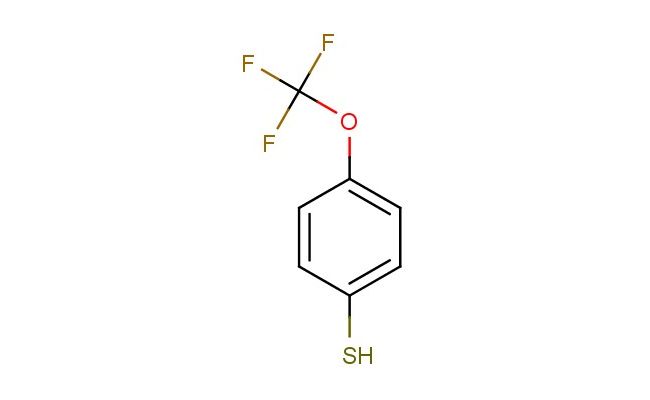


4-(trifluoromethoxy)thiophenol
$300.00
CAS No.: 169685-29-4
Catalog No.: 194029
Purity: 95%
MF: C7H5F3OS
MW: 194.177
Storage: 2-8 degree Celsius
SMILES: FC(OC1=CC=C(C=C1)S)(F)F
Catalog No.: 194029
Purity: 95%
MF: C7H5F3OS
MW: 194.177
Storage: 2-8 degree Celsius
SMILES: FC(OC1=CC=C(C=C1)S)(F)F
For R&D use only. Not for human or veterinary use.
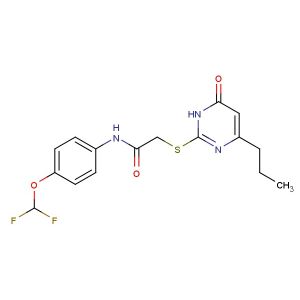
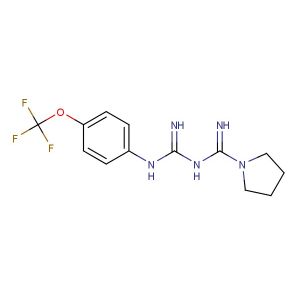
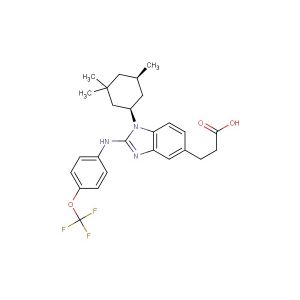
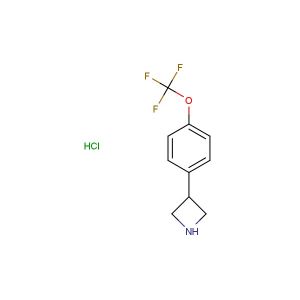
4-(trifluoromethoxy)thiophenol; CAS No.: 169685-29-4; 4-(trifluoromethoxy)thiophenol. PROPERTIES: 4-(trifluoromethoxy)thiophenol is a halogenated thiophenol with a molecular weight of approximately 209.1 g/mol. It typically appears as a colorless to pale yellow liquid with a strong sulfurous odor. The substance has a boiling point in the range of 120-125 C and a density of approximately 1.35 g/cm?. It exhibits moderate solubility in organic solvents such as diethyl ether, chloroform, and THF, but is sparingly soluble in water. Proper storage requires a cool, dry location in tightly sealed containers, preferably under nitrogen to prevent oxidation. Safety precautions include classification as harmful if swallowed, causes skin irritation, and serious eye damage. It may also cause respiratory tract irritation. Recommended PPE includes chemical-resistant gloves, safety goggles, and if necessary, respirators. Exposure limits typically follow ACGIH TLV guidelines for thiophenols. APPLICATIONS: 4-(trifluoromethoxy)thiophenol serves as a valuable intermediate in the synthesis of kinase inhibitors, where the thiophenol group participates in forming covalent bonds with cysteine residues in the kinase active site. The trifluoromethoxy substituent provides optimal electronic effects for binding affinity. In materials science, the compound is utilized in the preparation of conductive polymers, with the sulfur atom contributing to charge transport properties. The Journal of Medicinal Chemistry often features studies employing similar thiophenol derivatives in targeted covalent inhibitor development. Additionally, 4-(trifluoromethoxy)thiophenol functions as a building block in the synthesis of agrochemical intermediates, though this application is outside the specified scope. The thiophenol functionality enables formation of disulfide linkages in bioconjugation chemistry, attaching the aromatic scaffold to biomolecules for redox-sensitive drug delivery. Recent advances in transition metal-catalyzed coupling reactions have demonstrated the use of this thiophenol derivative in forming carbon-sulfur bonds for the synthesis of complex pharmaceutical architectures.
Reviews
Write Your Own Review