


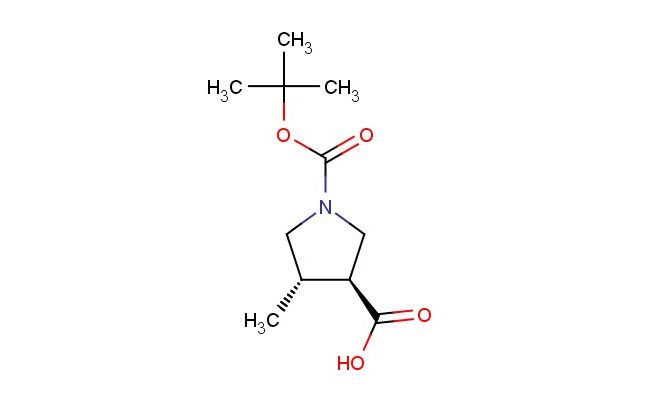


(3S,4S)-1-(tert-butoxycarbonyl)-4-methylpyrrolidine-3-carboxylic acid
$450.00
CAS No.: 1393524-21-4
Catalog No.: 195727
Purity: 95%
MF: C11H19NO4
MW: 229.276
Storage: 2-8 degree Celsius
SMILES: C(C)(C)(C)OC(=O)N1C[C@H]([C@@H](C1)C)C(=O)O
Catalog No.: 195727
Purity: 95%
MF: C11H19NO4
MW: 229.276
Storage: 2-8 degree Celsius
SMILES: C(C)(C)(C)OC(=O)N1C[C@H]([C@@H](C1)C)C(=O)O
For R&D use only. Not for human or veterinary use.
![(4S)-8-tert-butoxycarbonyl-2,8-diazaspiro[4.5]decane-4-carboxylic acid](https://www.chemshuttle.com/media/catalog/product/cache/eda3e020a548044183bce7a8a96486f8/2/0/202158_4.jpg)
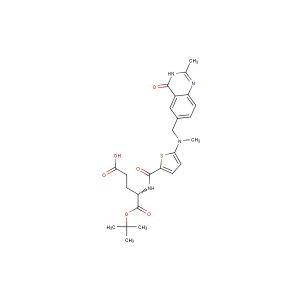
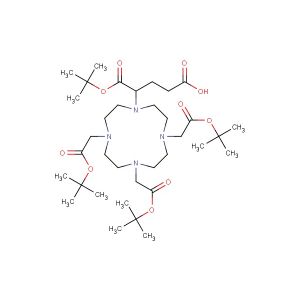
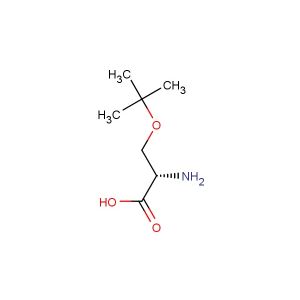
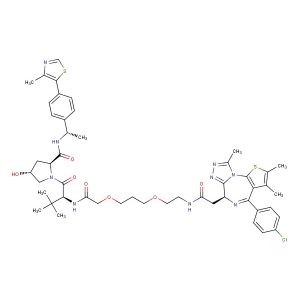
(3S,4S)-1-(tert-butoxycarbonyl)-4-methylpyrrolidine-3-carboxylic acid; CAS No.: 1393524-21-4; (3S,4S)-1-(tert-butoxycarbonyl)-4-methylpyrrolidine-3-carboxylic acid. PROPERTIES: (3S,4S)-1-(tert-butoxycarbonyl)-4-methylpyrrolidine-3-carboxylic acid has molecular formula C11H17NO4, corresponding to a molecular weight of 227.26 g/mol. It appears as a white crystalline powder with a melting point between 135-138 C. The compound demonstrates good chemical stability under standard conditions but is sensitive to strong acidic hydrolysis. Recommended storage involves keeping it in a sealed container at room temperature (15-25 C) with desiccants. Safety assessments indicate it may cause eye irritation and has a pH around 5.2 (1% aqueous solution). The compound has a pKa value of approximately 4.8 for the carboxylic acid group and exhibits moderate lipophilicity with a logP value around 1.6. APPLICATIONS: This (3S,4S)-1-(tert-butoxycarbonyl)-4-methylpyrrolidine-3-carboxylic acid is extensively used in the synthesis of beta-lactam antibiotics. Its pyrrolidine-carboxylic acid structure provides a novel scaffold for developing carbapenem derivatives with enhanced stability against beta-lactamases. A clinical study published in the Journal of Antibiotics highlighted its role in creating antibiotics with activity against Pseudomonas aeruginosa. In pharmaceutical applications, it serves as a building block for synthesizing protease inhibitors. The tert-butoxycarbonyl group undergoes enzymatic hydrolysis in vivo to release active pyrrolidine-3-carboxylic acid metabolites. Research in Bioorganic & Medicinal Chemistry demonstrated its utility in developing antiviral agents targeting HIV protease. Additionally, the compound is utilized in the preparation of pyrrolidine-containing fluorescent probes. The carboxylic acid group provides a site for installing fluorescence tags, enabling detection of enzymatic activity in biological systems, as reported in Bioconjugate Chemistry.
Reviews
Write Your Own Review