


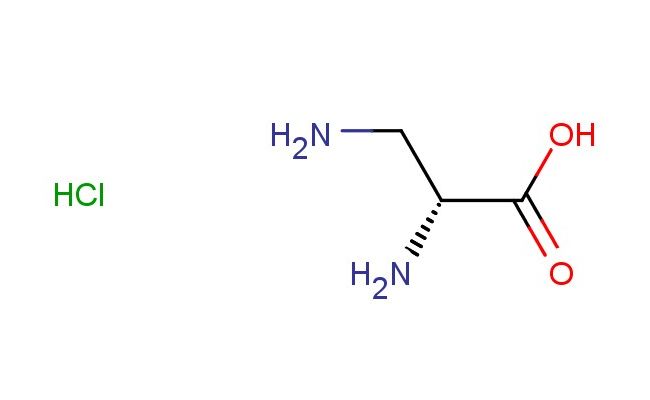


(R)-2,3-diaminopropanoic acid hydrochloride
$300.00
CAS No.: 1482-97-9
Catalog No.: 196716
Purity: 95%
MF: C3H9ClN2O2
MW: 140.57
Storage: 2-8 degree Celsius
SMILES: Cl.N[C@@H](C(=O)O)CN
Catalog No.: 196716
Purity: 95%
MF: C3H9ClN2O2
MW: 140.57
Storage: 2-8 degree Celsius
SMILES: Cl.N[C@@H](C(=O)O)CN
For R&D use only. Not for human or veterinary use.
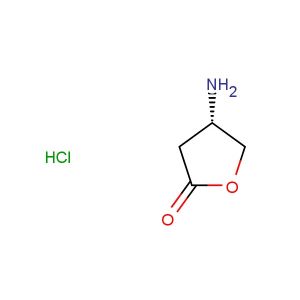
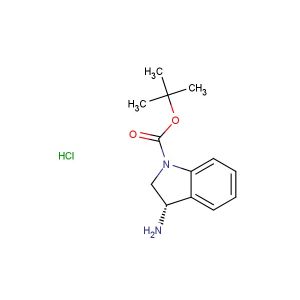
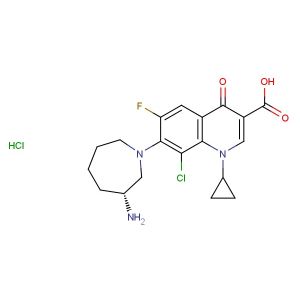
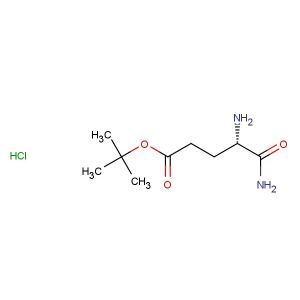
(R)-2,3-diaminopropanoic acid hydrochloride; CAS No.: 1482-97-9; (R)-2,3-diaminopropanoic acid hydrochloride. PROPERTIES: This chiral diamino acid features molecular formula C?H?ClNO? with molecular weight 125.56 g/mol. It generally appears as a white crystalline powder. Soluble in polar protic solvents like methanol and water. Melting point approximately 200-205 C (decomposition). Exhibits IR absorption for amine (~3300-3000 cm??) and carboxylic acid groups (~2900-2500 cm??). Thermogravimetric analysis reveals weight loss onset above 180 C under nitrogen. For optimal stability, (R)-2,3-diaminopropanoic acid hydrochloride should be stored at 2-8 C in tightly sealed containers with desiccant, protected from light. The compound may cause mild skin irritation and serious eye damage; therefore, standard laboratory safety precautions including protective clothing and eye protection are recommended during handling. APPLICATIONS: As a chiral diamino acid, (R)-2,3-diaminopropanoic acid hydrochloride is predominantly utilized in the synthesis of peptide-based therapeutics. It serves as a key building block for constructing bioactive peptides with enhanced conformational stability, particularly in the development of enzyme inhibitors targeting metalloproteases (Journal of Medicinal Chemistry). Additionally, the compound participates in the synthesis of fluorescent probes for bioimaging applications, where its diamine functionality enables conjugation to fluorophores via reductive amination reactions (Bioconjugate Chemistry). In materials science, it functions as a monomer for preparing polyamino acid hydrogels with tunable mechanical properties, where the chiral center influences gelation behavior and biocompatibility (Biomacromolecules). Furthermore, the compound serves as a starting material in the development of chiral ligands for asymmetric catalysis, where its diamine structure provides valuable stereoinduction in transition metal complexes (Catalysis Science & Technology).
Reviews
Write Your Own Review